

Image credit: Wellcome Sanger Institute


Despite its extraordinary genetic diversity, Latin America remains largely absent from global genomic studies. Dr Patricia Abrão Possik discusses efforts to boost regional research capacity and insights from her work on acral melanoma.
Latin America harbours one of the richest reservoirs of human genetic diversity in the world. Shaped by a complex history, Latin America’s multi-layered ancestry provides unique opportunities to understand how genetic variation influences health, disease and adaptation. Nonetheless, despite this diversity, Latin American populations remain one of the most underrepresented groups in global genomic research. Studying their genetic diversity is not only essential to uncover new biological insights but will also ensure that advances in precision medicine are equitable.
In this blog, we caught up with Dr Patricia Abrão Possik, International Fellow at the Wellcome Sanger Institute and Group Leader at the Brazilian National Cancer Institute (INCA) in Rio de Janeiro. Patricia shares more about her collaborations with Sanger researchers, boosting capacity across Latin America and what challenges need to be addressed to promote research equity. She also discusses her work on acral melanoma – a rare type of skin cancer that is not caused by sun exposure – and her hopes for where this research will head in the future.
1. What opportunities lie in studying populations across Latin America?
The more I study Latin America and interact with people here, the more I understand these opportunities. For me, there has been a big learning curve since I started this work because there are so many areas and questions that would benefit from genomic research that I didn’t think about before. These can be regional and sometimes local. I think now that we have this increase in people interested in learning more about other cultures and populations, it will be a great opportunity to understand human diversity, and more specifically, the diversity of Latin America. I have learned that not only is there diversity across Latin American countries, but there is also extreme diversity within each country; there are native populations from areas that are totally different. So, I think there is an opportunity to add that to our knowledge of human diversity.
“There are many questions that are regional and different from questions that you would ask in the Global North.”
This opportunity would then help us to ask questions that can reach these populations, both in terms of health and disease, but also in terms of the characteristics that make them who they are and how they adapt to where they live. There are many questions that are regional and different from questions that you would ask in the Global North. Sometimes diseases are more common or a bigger burden in Latin America than in the Global North. We have so many tropical infectious diseases that are not studied enough for us to then get solutions to treat or control them. For example, Zika virus was a huge problem for us years ago and it was really difficult to understand and control it. And these are local questions that the Global North does not know of. I think now as populations across the world mix because of immigration these questions will eventually be important to the whole world, not just specific countries. So, I think it is worth investing now.
Also, there are a lot of opportunities in training. Across Latin America, our science is not as well equipped and well-funded relative to the Global North – but we have many students interested. So, I think there is an opportunity in training them to continue doing science.

2. What challenges currently exist in tapping into these and what support is needed in order to address them?
I think a key challenge is funding. Because of currency differences, our local grants are much smaller in terms of how much we get per research question. It then makes it difficult to ask relevant or impactful questions, or even contribute to research in the Global North, as our research sometimes may not be seen as relevant because we don't have the resources invested in answering certain questions.
It is important to say that regionally within Latin America, it is very different. For example, you cannot compare the southeast of Brazil to the Amazonian region. So, you also have these funding and infrastructure differences within Latin America which is a huge challenge. A lot of impactful science is not being done in the big centres or cities, like Sao Paulo, it is being done in regions of Latin America that have very little infrastructure and very little funding, so it is very difficult to reach them. We have seen that once you give people the opportunity or reach out to say you are interested in working with them, then they are on board. It is just a matter of reaching out and making these connections. So, I would say giving people this opportunity in terms of funding and infrastructure is key.
“We have seen that once you give people the opportunity or reach out to say you are interested in working with them, then they are on board.”
Another limitation is public engagement. As science is not very well funded and investment from governments is not super stable, this impacts how much it reaches people. During the COVID-19 pandemic and when cases of Zika virus were on the rise, the public were more interested. However, they still found it difficult to understand because many scientists are not well trained in communicating their science to an audience that does not have enough background knowledge. In general, I think there is interest and trust but because science is not constantly in the news, engagement can be a bit more challenging.
3. How are the Sanger Institute and other organisations collaborating to push these efforts forward?
I am an International Fellow at Sanger, and it has been great. I started earlier this year, so it has not been long, but it has been quite an experience. At times, it can be a bit overwhelming because it is such a different universe. People have been so great in helping me understand how we could collaborate to make my research possible. I interact a lot with the Interim Head of the Cancer, Ageing and Somatic Mutation programme, Dr Dave Adams and Dr Daniela Robles Espinoza, who was a previous International Fellow at Sanger and is now Principal Investigator at LIIGH-UNAM, Mexico. I also have students who are being trained at Sanger. And it has been great for INCA to be linked to the MPhil in Genomic Science programme at Sanger, so we can have collaborative projects and address questions that are not only relevant here in Latin America, but also that other scientists are interested in. I cannot even imagine what I would have done if I did not get this opportunity – it is so great!
“It has been great for INCA to be linked to the [Sanger] MPhil in Genomic Science, so we can address questions that are not only relevant here in Latin America, but also that other scientists are interested in.”
I have also been fortunate to do a lot of work with the Wellcome Connecting Science training team at Sanger. We started a Single Cell Genomics course consisting of three events. The first one was in 2023, and the last one was earlier this year; two in Rio de Janeiro and one in Costa Rica. The goal was to develop a community of scientists able to apply single cell technologies to their own research questions.
It has been great because I have never been involved in bringing training to Latin America at such scale. It was really successful in terms of helping to create a network of scientists interested in single cell sequencing. This line of technology was not accessible here, so being able to use it and train people up through Connecting Science was amazing. It also helped form a network of scientists that are all still connected. We continue interacting with additional activities, like webinars, and we keep connected through social media and other communication channels, like WhatsApp. We all exchange opportunities, training – there is even a journal club. The community is more than 100 people across Latin America. It has also inspired people to start collaborating independently on projects. The community is so engaged, so much so that they don’t need me anymore – they connect with each other separately, which is really what you want to happen!
This network also helped us map the challenges people were facing and explore what we could do to help that. We wrote all of this down and it has just been published in a Commentary in Cell.
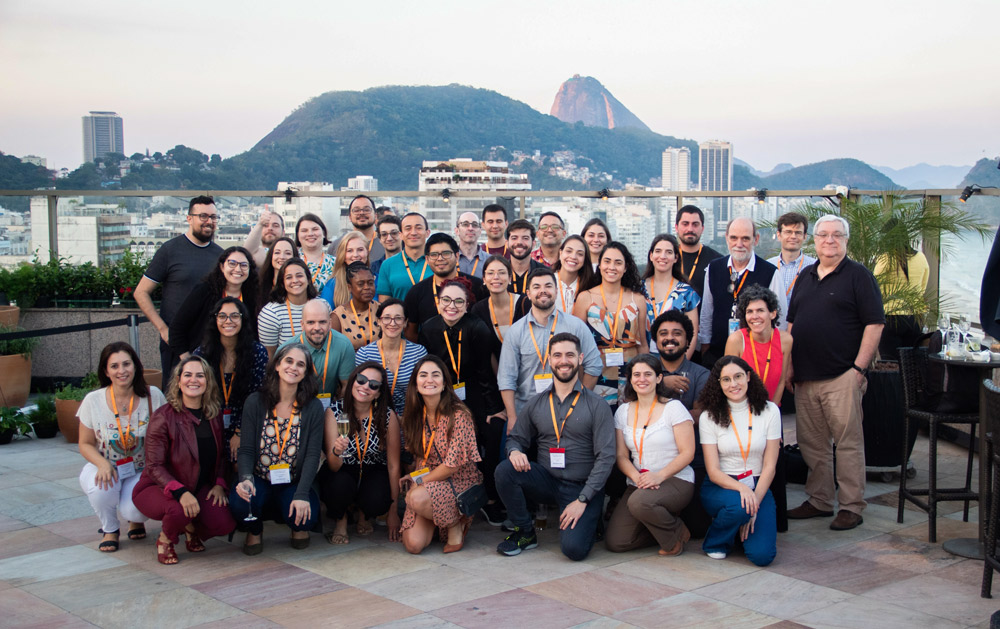
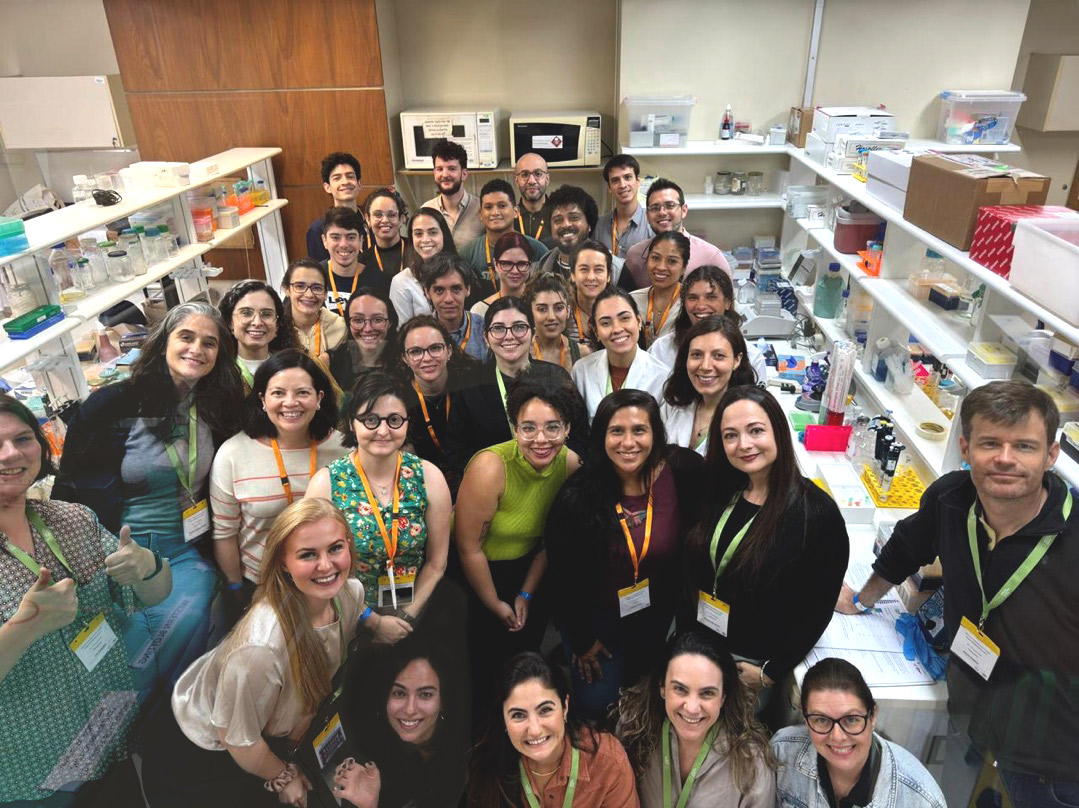
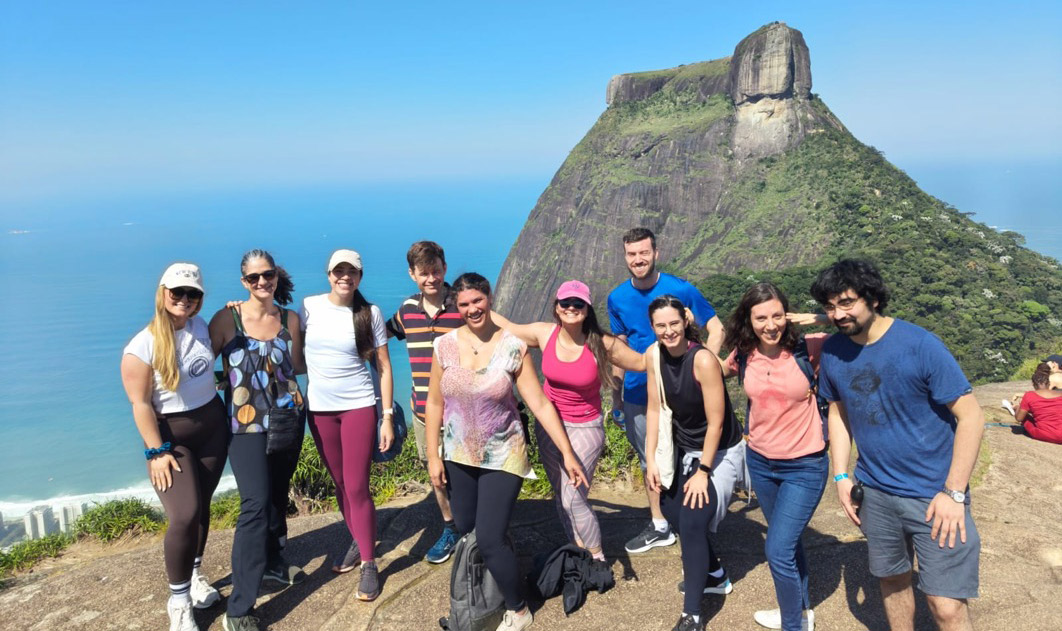

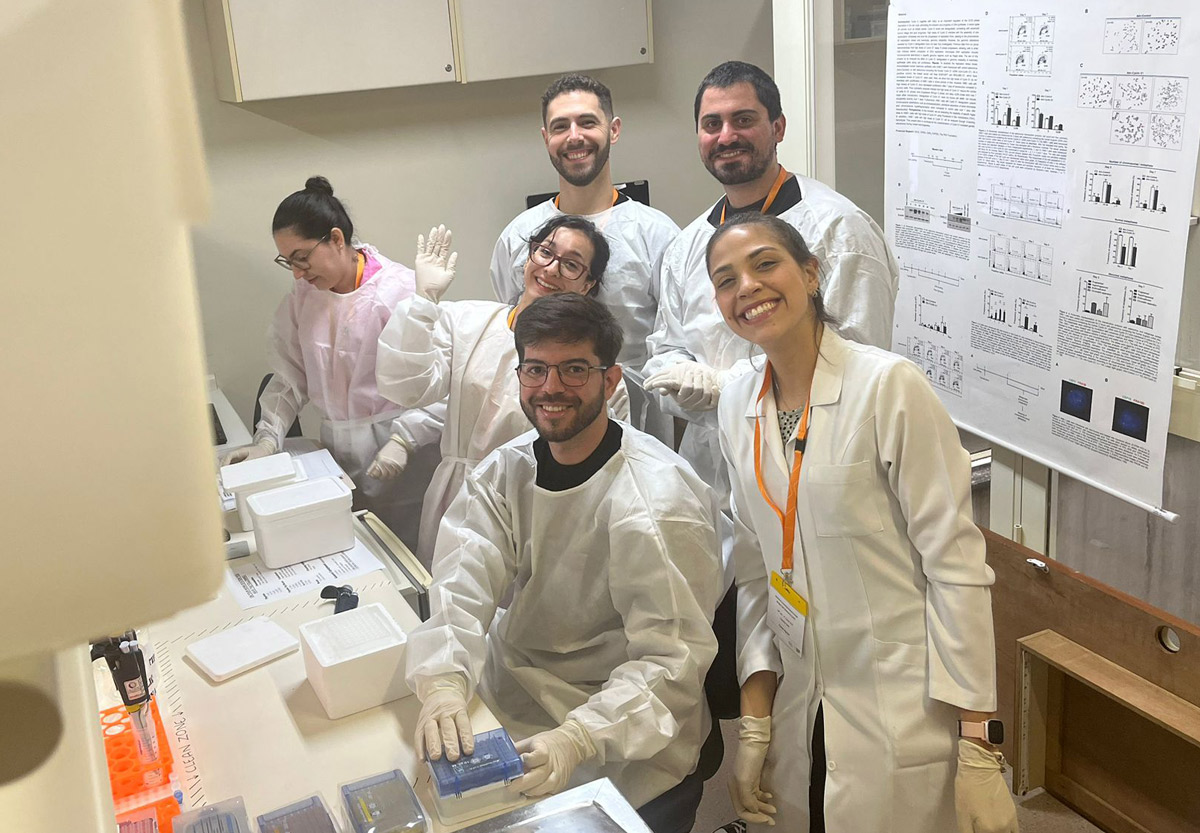
Photos from the Single Cell Genomics - Latin America and Caribbean courses. 2023 participants (top left), 2023 course training at the Instituto Nacional de Câncer (INCA) (bottom left), 2024 participants at INCA (middle), the training team who organised the 2024 course (top right), 2023 course participants (bottom right). Image credits: Carlos Leite, INCA and Thanis Parajara.
4. What research are you currently working on to gain deeper insights into the region's genetic diversity?
My lab focuses on cancer research, specifically on melanoma. Since I came back to Brazil, I started focusing on a specific subtype called acral melanoma – a rare type of skin cancer that is not caused by sun exposure and appears on the palms, soles or under the nails. Acral melanoma is understudied globally because of how rare it is among White populations. For example, in Western countries it accounts for two to three percent of all melanoma diagnoses.1 However, this prevalence is much higher in Asian, African, Hispanic and Latin American populations. Research is limited but one study estimated that approximately 13 per cent of melanoma cases in Brazil are acral melanoma.2 Because we have a higher proportion of cases in Latin America compared to Europe or the US, we have more access to patients. As there has been a big gap in melanoma research and as I was already studying these cancers, I saw an opportunity of how I could continue contributing to this field from Latin America.

From left to right: Daniela Robles Espinoza, Dave Adams, Patricia Possik and Annie Squiavinato (a postdoctoral fellow from Brazil visiting Dave’s lab) in St John's College in Cambridge, as part of the 2024 International Fellows Retreat.
So, together with Dave and Daniela, we started studying this subtype of melanoma in Latin America, both in Brazil and with Daniela in Mexico. We are collecting data from these patients and then trying to understand the characteristics of the tumours and how they differ in these populations compared to others. We are also developing experimental models – cell lines and other patient derived xenografts, which involve transplanting tumours cells into mice. We are developing these because the other limitation that the field has is the availability of models to study the disease – there are very few available. So, it’s great that we are contributing by generating these models, which are tumour cells, so will live forever, meaning we can share them everywhere. Now that we have them and the study has progressed, I am able to share them with different researchers in different countries, so that they can also address their own questions, because there are so many yet to be answered.
Daniela, Dave and I each have different expertise. I am a cell biologist by training. Daniela is a bioinformatician. Dave is a functional genomics person – he is also a great mentor to both Daniela and I. Through Dave, we have been able to harness the infrastructure and sequencing available at the Sanger Institute. I think having these different expertise has been really valuable. For example, I shared all my protocols with Daniela so she could establish the generation of models in Mexico, and she then undertakes analyses of the data we generate. I also have people in my lab who have been trained by Daniela’s people and vice versa. We have built a really strong connection.
We have two papers coming out soon, both the Mexican and Brazilian studies. I think these will contribute to our understanding of the important differences across populations. Most of the studies published on acral melanoma are with people of Asian, American, Australian and European descent. These data will help us see if there are differences in these populations, both in terms of the genetics of the tumours, but also in terms of the genetic background of the populations. These are the first studies of their kind, and I think they will open many paths that we can take both with the data, but also with the models that we are generating and sharing with the community.
“Right now, patients do not have treatments that are specifically designed for them because the cancer is so rare that these individuals are often not included in clinical trials.”
These data will also help inform future treatment strategies. Right now, patients do not have treatments that are specifically designed for them because the cancer is so rare that these individuals are often not included in clinical trials. As I mentioned, models are limited, so people rarely include them in preclinical trials too. So, we do not know much about how these tumours respond to the therapy that is out there, and we do not have enough information to develop new therapies for these patients. These papers will hopefully encourage more people to produce data, and then we can start thinking about how we can develop or use existing treatments that would benefit these patients.
5. Where do you see this work heading?
It is very exciting at the moment, because we are reaching this point where these stories are being published – both the Commentary and the acral melanoma papers. These will help raise awareness of Latin America and the research opportunities that exist here.
“I think collaborating and having this network of scientists has helped us to keep pushing.”
I have not thought about this question before but for me, it is slightly overwhelming. When I came back to Brazil and started my lab, I could never imagine that I would be at this stage where I could see these contributions and that I and my team would feel confident that we could contribute to this area of research. I was not expecting this – I saw the challenges as being too big. I think collaborating and having this network of scientists has helped us to keep pushing. I see that we can continue contributing, and the people around me do too and are very motivated, which is great.
References
- Nadelmann ER, et al. Acral melanoma in skin of color: current insights and future directions: a narrative review. Cancers 2025; 17: 468. DOI: 10.3390/cancers17030468.
- Nunes LF, Mendes GL, Koifman RJ. Acral melanoma: a retrospective cohort from the Brazilian National Cancer Institute (INCA). Melanoma research 2018; 28: 458–464. DOI: 10.1097/CMR.0000000000000476.


